Precision hides in the decimals. When a shaft runs quiet at 12,000 rpm, or a gearbox drops into a mining loader and bolts up without a rubber mallet, it’s not luck. It is measurement. In a modern machine shop, metrology sits upstream of quality and downstream of everything you hope to ship. Whether you’re a canadian manufacturer building to print for an underground mining equipment supplier, a custom metal fabrication shop standing up new fixtures for food processing equipment manufacturers, or a small cnc machine shop chasing aerospace work, the metrology bench decides profit and pain.
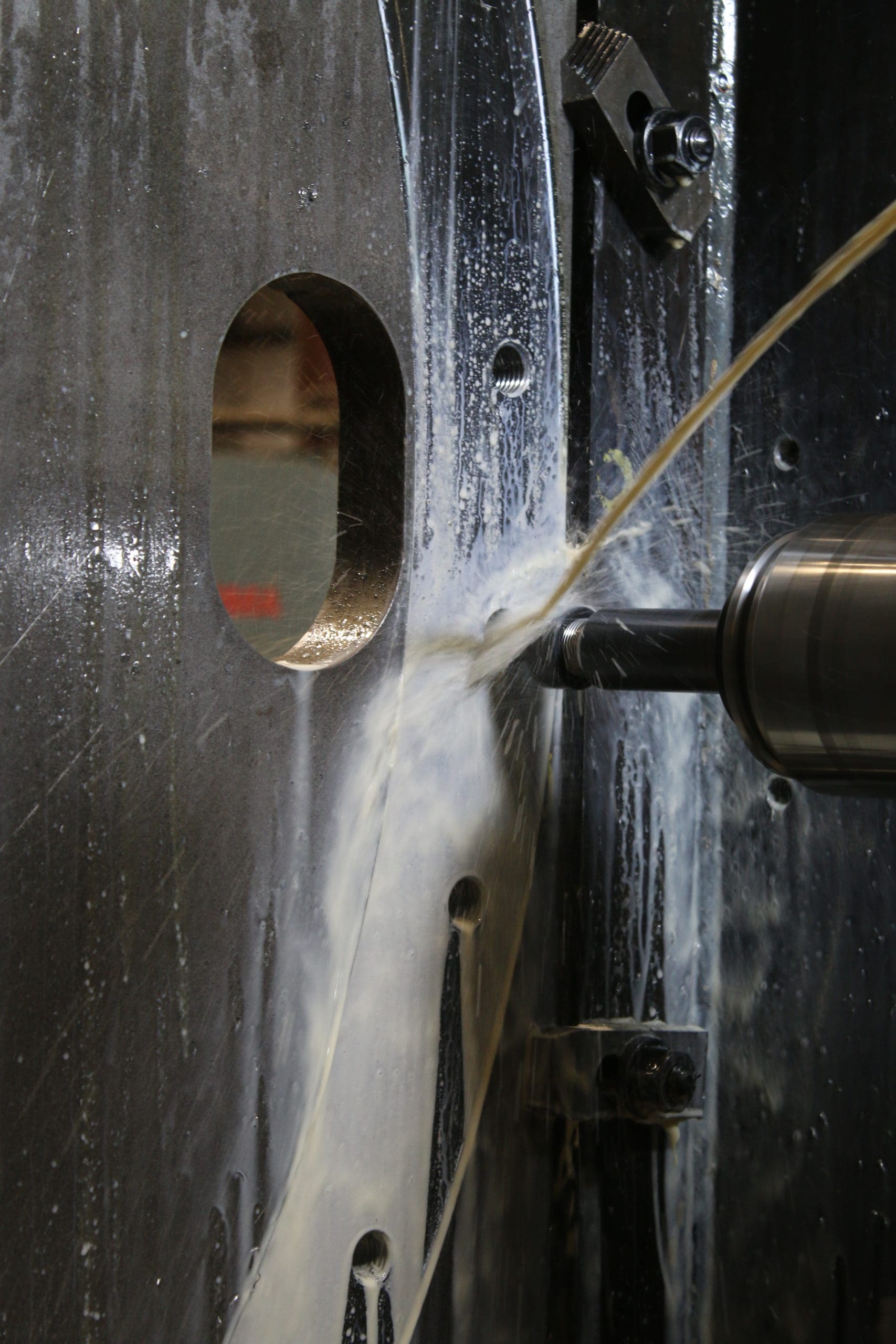
I’ve watched parts pass a casual bench check and still seize in assembly because a bore mic was out by a tenth. I’ve also seen a junior inspector catch a mis-modeled datum with a fresh CMM program and save a week of rework. Good tools matter. So does judgment. Here’s how I think about CMMs, vision systems, and gauges inside a manufacturing shop that moves between cnc precision machining, steel fabrication, and custom machines with tight delivery promises.
What measurement really needs to do
Metrology is not about collecting numbers for a report. It’s about risk management. You’re balancing speed, uncertainty, and cost across a wide range of parts and processes. A precision cnc machining cell turning out 4140 shafts to h6 tolerance needs different checks than a welding company fabricating a frame for logging equipment, and both are different again from a machining manufacturer delivering matched sets of hydraulic manifolds in a cnc metal fabrication workflow.
Three realities guide most measurement planning. First, design intent lives in the datum scheme and the geometric callouts. You need to align your measurement strategy to those features, not just the ones that are easy to probe. Second, process capability determines how often and how deeply you check. A proven turning process might be sampled lightly, while a new EDM program deserves 100 percent inspection for its first article. Third, the customer drives documentation. Mining equipment manufacturers might accept a lean inspection plan with functional gauging, while an Industrial design company pushing medical prototypes will expect traceability to standards and full FAIR packages.
CMMs: why we keep coming back to them
Coordinate measuring machines earn their floor space because they answer complex questions with traceable confidence. When a print stacks several GD&T controls, or when a cast part needs a best-fit to nominal, a CMM translates cloudy intent into numbers everyone in the room can trust. There’s a reason a cnc machining shop that wants to climb the supply chain buys a bridge CMM early.
I like to split CMM work into two modes. There is the program-once, run-forever stream for production parts, and the open-ended investigative mode for problem solving, fixturing, and reverse engineering. In both, the key is alignment. If your datums are wrong, the rest of the report is theatre. Good programmers spend most of their time studying prints and thinking through setups, not clicking points. They watch for datum mobility, simulate clamping, and treat soft jaws and V-blocks as extensions of the measurement system.
On speed and accuracy, buying authority matters less than daily discipline. Temperature control between 20 and 22 degrees C, warm-up routines, periodic artifacts, and stylus calibration will give you more real accuracy than a spec sheet that claims sub-two-micron performance while the shop door stands open in February. On a production line at a cnc metal cutting cell, I aim to use fast, robust probing cycles at the machine to cap process drift, then use the CMM for features that probe tips can’t reach or interpret. That pairing cuts scrap and queues.
We learned this lesson building a custom machine assembly with matched bores across a 1.4-meter weldment. The first pre-load test howled. The CMM program looked fine, but the fixturing had allowed the part to sag differently than in assembly. We reworked the fixture to emulate bolting points and ran a constrained alignment, not a naive reference to holes. The second build went together with hand pressure. The only change was thinking like the part.
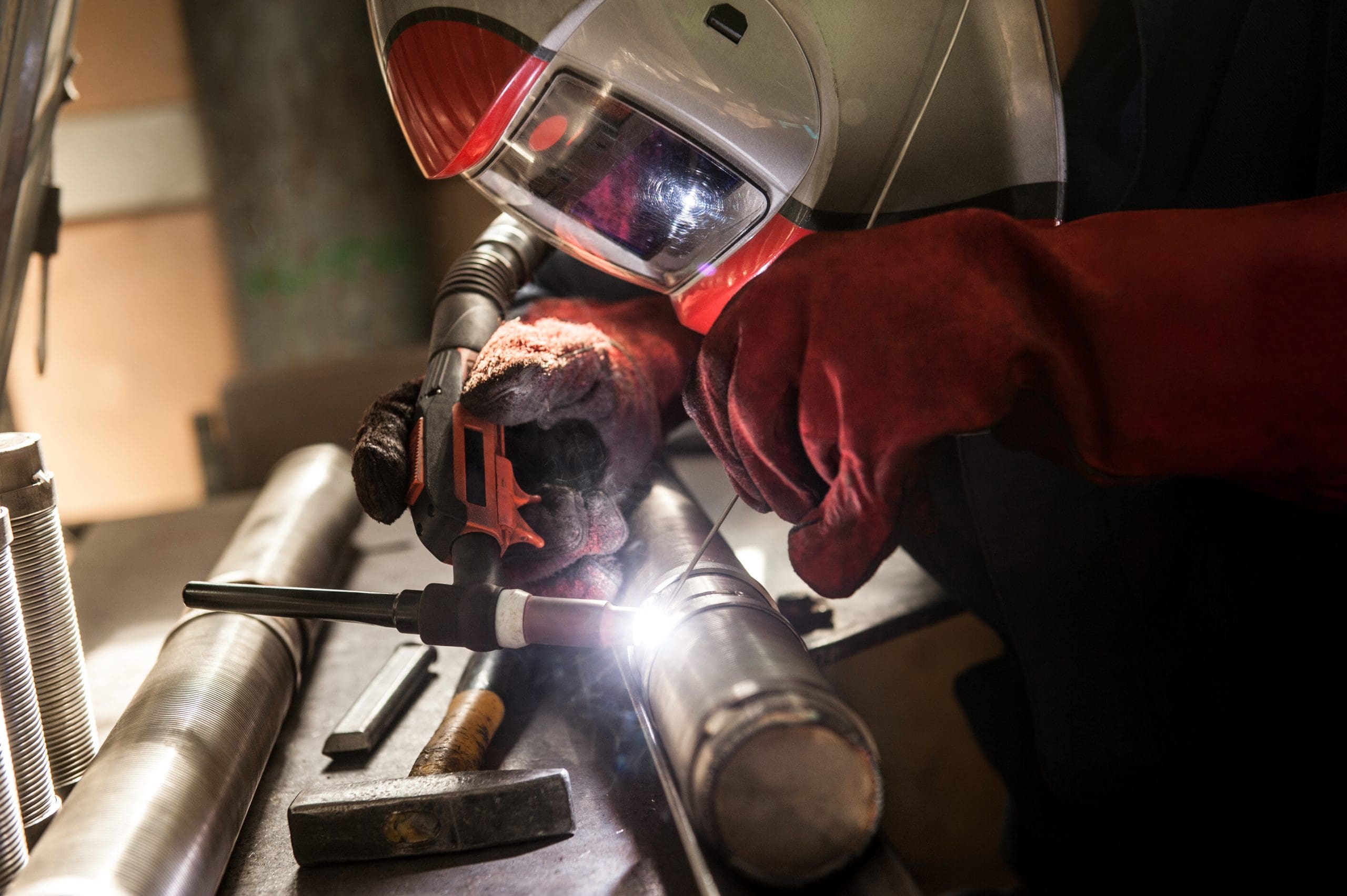
When vision systems earn the lead role
Vision measurement systems, from 2D optical comparators to 3D multisensor machines with telecentric lenses, shine when you need speed on small and repeatable geometry. Think stamped shims, laser-cut brackets, wire forms, and small turned features with sharp edges. A vision system swallows a dozen dimensions in one field of view with micron-scale repeatability. For a Machining manufacturer trying to balance throughput and accuracy on high-mix components, this matters.
The trap is edge detection on rough or reflective surfaces. Black oxide, bead-blasted stainless, or a burr near the silhouette can shift the measured edge. Lighting control is everything. I’ve dialed in ring light intensity and coaxial illumination more times than I care to admit. The best operators learn to change lenses and lighting instead of tweaking tolerances. They also know when to walk a part to the CMM for a sanity check.
In a custom metal fabrication shop, vision systems are underrated for validating cut pattern fidelity on cnc metal cutting work. Put a batch of nested parts on a glass stage, run a scripted program, and you can reject a worn nozzle or misfocused laser before it ruins an afternoon. I’ve caught 0.15 mm kerf drift this way before the calipers ever came out.
Vision also pairs well with statistical process control. Because cycle times are quick, you can afford to measure more parts without throttling production. For food processing equipment manufacturers who run stainless brackets by the thousands, that higher sampling frequency has paid for the vision system within a year by trimming scrap and rework.
Gauges: the rough, the ready, and the indispensable
Gauges live where reality meets the clock. Pin sets, ring and plug gauges, bore mics, height gauges, surface plates, snap gauges, and thread gauges make the day flow. They’re the backbone of a manufacturing shop that changes jobs hourly. You will never eliminate hand tools, and you shouldn’t try. They tell you enough, fast, when used with care.
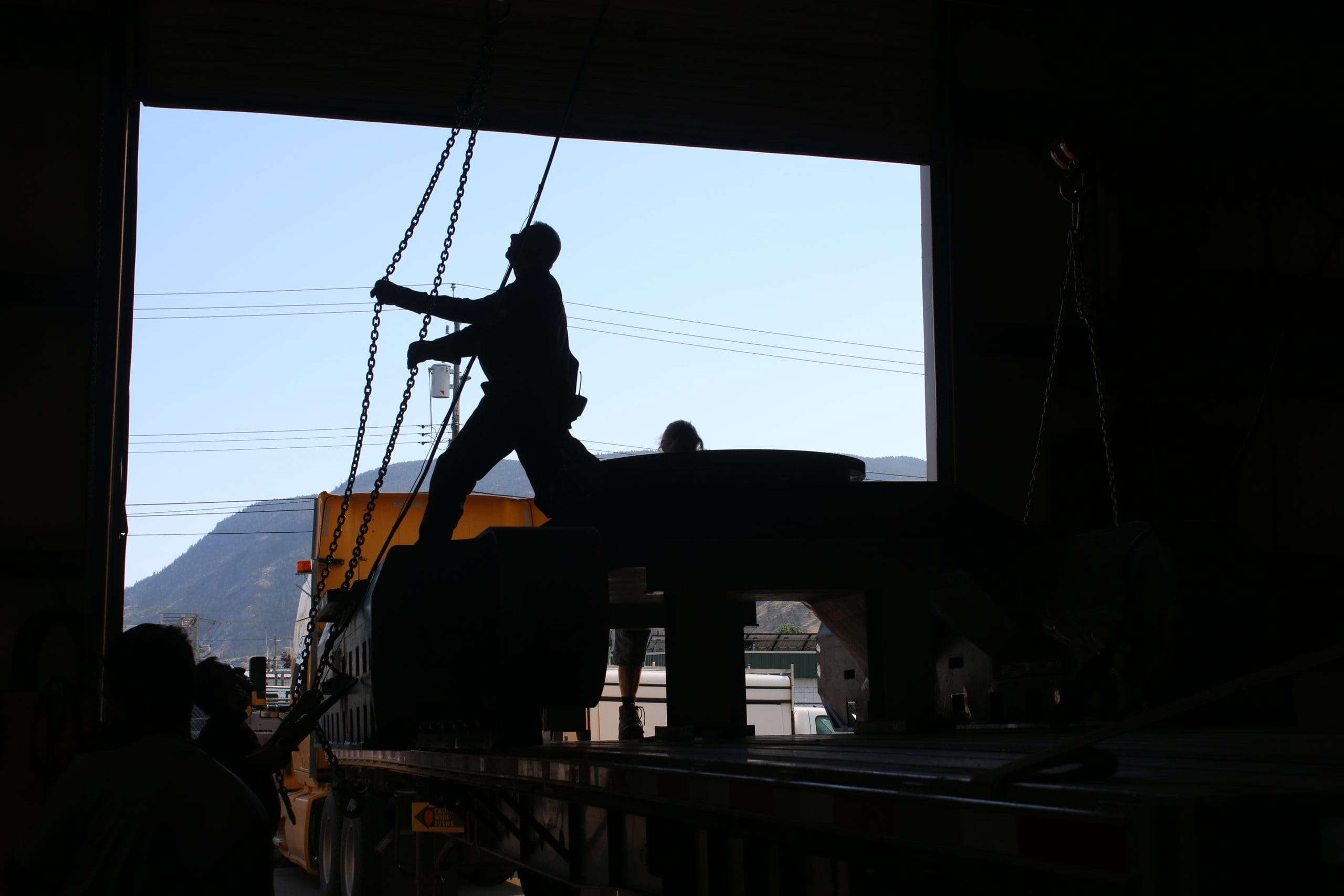
The challenge is managing uncertainty. A go/no-go plug gauge can save a minute, but it also compresses information. It tells you pass or fail, nothing about trend or margin. That can blind you to a process drifting toward the edge. My rule is simple: use functional gauges for the 80 percent of features with mature processes, but schedule periodic variable measurements on the same features to keep an eye on capability.
Calibration is not a paperwork exercise. In a busy cnc machine shop, pin sets and micrometers walk off into drawers and get friendly with cutting oil. Swapping an old Class Z pin for a newer Class X pin will shift readings more than you expect. I prefer locked kits for critical jobs, signed out and returned for cleaning. I also make sure our machinists understand what their tools do well. A telescoping bore gauge can give you excellent results in the hands of one operator and a mess in another. Train, verify, and then trust.
I like simple fixtures for gauging. A V-block and stop can turn an awkward diameter check into a 30-second routine. A custom snap gauge machined from tool steel, with hardened pads ground to offset for anodize, can pay for itself in a week on a big run. If you build to print for mining equipment manufacturers, consider functional gauges that mimic mating parts. A dummy shaft with tolerance bands can tell you more about fit than a beautifully worded CMM report.
Choosing the right tool, with eyes open
Metrology selection comes down to risk and context. A precision cnc machining cell holding ±0.01 mm on a hardened tool steel insert will lean heavily on the CMM for flatness, positional tolerances, and profile. A steel fabricator assembling large frames for biomass gasification systems might use laser trackers or portable arms to chase datum-to-datum relationships across three meters, then use simple feeler gauges and torque sequences on the floor.
In between, you’ll find the bread and butter jobs. A batch of valve blocks with intersecting bores for a canadian manufacturer in industrial machinery manufacturing. Threads to 2A, bores to H7, bolt patterns with true position at 0.10 mm. Here, spindle probing keeps the program honest during machining, vision validates small features, and the CMM confirms the datum structure and accumulative alignment. Hand gauges feed the operators real-time control.
Buying choices mirror this mix. A bridge CMM with scanning capability makes sense if you write full FAIRs and support cnc precision machining with tight profiles. A smaller shop focused on custom fabrication and welding might allocate that budget to a portable CMM arm with a laser line scanner, because they measure big weldments and tacked assemblies far more often than small prismatic parts. Vision systems are perfect for the cnc metal fabrication line where edge quality and hole size dominate.
One caution on software. Ease of programming matters as much as hardware. If your programmers dread the interface, your CMM becomes a bottleneck and corners get cut. Pay for post-processors, CAD import options, simulation, and a support contract you’ll actually use. The best money I’ve spent in metrology was on training and a day of onsite help when we transitioned to model-based definition. It paid off in fewer alignment mistakes and faster program reuse.
GD&T in the real world
If you treat GD&T as a vocabulary quiz, you will miss the point. The goal is to capture function and assembly needs, not to make perfect geometry for its own sake. A cnc machining services provider building a custom machine frame should trace each tolerance to what the customer needs the parts to do. If the mating bolts have a certain clearance, set true position accordingly. If bearing seats require circular runout, not coaxiality, reflect that.
On the measurement side, datums matter more than anything. I’ve seen drawings that call a paint surface a datum, then wonder why a CMM report jumps between operators. If you can influence design, push for datum features that are accessible, hard, and stable. If you cannot, plan fixturing that forces repeatability. I often add temporary datum pads to weldments that we later machine off, solely to create a reliable reference for both machining and inspection.
When measuring composite position or profile of complex surfaces, scanning probes earn their keep. They average out noise from tool marks and show you the real shape. Do not be surprised when the number you get from a 5-point touch probe differs from a 1,000-point scan. They are measuring different truths. Make sure your customer knows which truth they are buying.
Metrology on the shop floor vs. the lab
A climate-controlled room with a granite table and quiet air is a luxury that pays dividends. Still, real life doesn’t wait for lab slots. On the floor, you need rigged solutions that respect the part. A cnc machine shop will rely on machine-mounted probing for in-cycle checks. A weld bay might use magnetic bases, straightedges, and digital inclinometers to set angles before final welding. Portable CMM arms bridge the gap when the part is too big to move.
I’ve had the best luck when we connect floor checks with lab verification. For example, a snap gauge used by operators can be correlated to a CMM reading with a witness part. If the snap gauge reads “just snug” when the CMM shows 0.03 mm below nominal, write that down. Now the operator knows what “snug” means and when to stop the machine. We repeat this after tool changes and after any significant maintenance.
Sampling strategies should adjust to risk. A run-at-rate for a mining gearcase housing might mandate 100 percent inspection of threaded holes for two hours, then move to first-off and last-off after the process stabilizes. Small brackets for logging equipment might get first-piece buyoff with spot checks every 25 parts. The point is not to please an auditor. It is to catch the drift before it becomes scrap.
Data, capability, and what to do when the curve sags
Capability indices such as Cp and Cpk are not ornaments for a PPAP. They tell you how often you’ll hurt. A capable process means your inspectors can sleep at night. A marginal one means they will become the last defense against a rework cascade. If you are a Machinery parts manufacturer trying to hit tight delivery windows, build the habit of plotting key features once a week, even if no one asked.
When Cpk dips below 1.33, you have a choice. Widen the tolerance by negotiating with the customer if function allows, improve the process by addressing variation sources, or increase inspection to protect shipments while you improve. I’ve done all three. Tool wear, temperature, and clamping dominate more problems than exotic explanations. For aluminum parts in a shop that also handles steel fabrication, temperature swings can add 10 to 20 microns without anyone noticing. Measure temperature or control it. On soft jaws, move from one clamp to three pins and a strap, and watch your flatness stabilize.
Measurement system analysis deserves respect. A GR&R that looks ugly on paper might reflect a badly defined method, not bad tools. Clarify the feature definition, simplify the steps, and https://waycon.net/capabilities/equipment-machinery-list/ train two operators side by side. Repeatability typically improves when you remove ambiguity and limit how many degrees of freedom an operator has to fight.
Case notes from the floor
A steel fabricator delivering a large base for biomass gasification equipment struggled with bolt alignment. The print allowed positional tolerance of 0.5 mm on 24 holes. They checked with tape measures and a plate pattern. Assemblers still chased bolts with drift pins for hours. We brought in a portable CMM arm, built a reference frame off three machined pads, and measured the bolt pattern as-built. The pattern was compliant, but the center datum moved with weld shrinkage. We added two machined keyways to index the assembly, changed the weld sequence, and the next unit dropped together in a quarter of the time. The measurement told a different story than the historic method, and it changed the process.
At a cnc machining shop supporting custom steel fabrication brackets for an Industrial design company, a vision system was rejecting parts intermittently. Edge detection on a brushed stainless surface gave false readings on corner radii. We changed from bright field to dark field lighting and added a short deburr station with a Scotch-Brite wheel. Rejects vanished, cycle time held, and the report matched the CMM within 0.01 mm on a sample of 30 parts.
A Machine shop serving underground mining equipment suppliers had recurring field returns on a splined shaft mating to a gearbox. All inspection passed. We replicated the mating condition with a custom gauge that matched the gearbox spline fit. The dry fit bound at one end. A CMM scan showed minor lead error coupled with a taper caused by heat growth during grind. We added in-process air gauging on the grinder and a dwell step to stabilize temperature. Returns stopped, and warranty costs fell enough to pay for the air gauge in a month.
Bringing metrology into quoting and DFM
Measurement belongs in the quote. If a print implies a full CMM report with complex scans and model-based definition, say so and price accordingly. If a part needs a custom gauge to hit takt time, build that into the timeline. Too many shops eat inspection hours as if they are overhead. On a tight-margin job for a canadian manufacturer, those hours are the difference between red and black.
During design for manufacturability reviews, talk about inspection access. Ask for chamfers where probes need to enter, flats where you will need to hold, and datum scheme simplification where possible. Clients building food processing equipment may welcome a change from a profile-of-surface callout to a simpler flatness control if it doesn’t affect sanitation or assembly. Mining equipment manufacturers may accept a functional gauge acceptance criterion instead of elaborate geometric tolerances if the fit is what really matters.
Training people to see what the numbers mean
Tools don’t make inspectors. Curiosity and habits do. I look for operators who ask why a number drifted, not only whether it passed. Teach them to trace a dimension back to the feature that matters in assembly. Show how a 0.03 mm change in bore size throws off press fit force by a noticeable amount on a 20 mm pin, and let them feel it. Connect microns to torque wrenches.
Cross-training pays. Put machinists in the CMM room for a week. Put inspectors at the deburr bench. Let welders watch a datum scheme extract from a model. The respect that grows between groups will prevent the kind of tribal warfare that ruins schedule and morale. A cnc machining services organization that shares metrology knowledge widely will catch more mistakes in setup, where they are cheap.
When to automate, and when to hold back
Automated inspection cells with robot loading and inline vision are tempting, especially for high-volume runs in cnc metal fabrication. They make sense when your bottleneck is inspection and the geometry suits optical or simple probing. They make less sense for high-mix jobs or when edge cases dominate. A smart compromise is semi-automation: a quick-change pallet system that locates parts within a known volume, paired with a CMM program that adapts to part IDs. You get speed without overcommitting to a single part family.
For a custom fabrication outfit, a portable arm with a repeatable floor fixture offers 80 percent of the benefit of a fixed cell with 20 percent of the cost. You can measure frames for logging equipment, then swing over to a prototype for a biomass gasification skid in the same afternoon. Invest in the capability to align, document, and archive, not only the hardware.
The boring work that prevents drama
Metrology’s daily grind is where money is made. Keep a clean surface plate. Wipe down gauges. Verify before you accuse. If a number surprises you, remeasure with a different method. If it surprises you again, stop the machine. If two tools disagree, find out which one you trust and why. Document the decision.
Suppliers upstream matter. When a steel fabricator receives plate off thickness by 0.3 mm across a sheet, their fixtures and measurements will chase ghosts. Communicate with your Steel fabricator and plate vendors. Ask for mill certs when it matters. Share your metrology results with them respectfully. I’ve had coil stock vendors adjust process controls after we sent them our vision system’s hole size histogram. Everyone won.
A final note on culture. Celebrate the near misses your inspectors catch. Buy them coffee when they reject a batch that hurts. The fastest way to break a Machine shop is to ignore the voice that says, I think this is wrong.
A practical metrology playbook for mixed work
- Start every job with a measurement plan tied to function: define which tool confirms which feature and why, and note environmental needs like temperature or fixturing. Pair in-process probing with post-process verification: let the machine keep itself honest and the CMM or vision system validate the critical relationships. Correlate fast gauges to slow truth: establish offsets and trends so operators trust the quick checks and know when they are drifting. Sample to risk, not habit: increase checks on new processes, tighten intervals after tool changes, and relax with data, not hope. Train across roles: make sure programmers, inspectors, and machinists understand the same datum scheme and see the same feedback loop.
Why this matters to the work you ship
A metal fabrication shop that controls measurement controls delivery. A cnc machine shop with a reliable CMM program spends less time arguing with customers and more time cutting chips. A welding company that can prove a frame is square before paint wins repeat orders. For underground mining equipment suppliers who live by uptime, for food processing equipment manufacturers with hygiene audits, for custom steel fabrication teams under pressure, metrology is leverage. You get to be the shop that ships assemblies that fit, that keep bearings cool, and that make installers smile.
That reputation travels faster than brochures. I’ve seen it open doors to build to print packages that used to go south of the border, and I’ve seen it bring a wary Industrial design company back with the next prototype. It is not glamorous. It is not free. It is measurable.
Invest in the right blend of CMMs, vision systems, and gauges. Set them up to answer the questions your parts actually ask. Train people to look past the number to the reason. The decimals will take care of themselves, and the work will show it.
Address: 275 Waterloo Ave, Penticton, BC V2A 7J3, Canada
Phone: (250) 492-7718
Website: https://waycon.net/
Email: [email protected]
Additional public email: [email protected]
Business Hours:
Monday: 7:00 am – 4:30 pm
Tuesday: 7:00 am – 4:30 pm
Wednesday: 7:00 am – 4:30 pm
Thursday: 7:00 am – 4:30 pm
Friday: 7:00 am – 4:30 pm
Saturday: Closed
Sunday: Closed
Google Maps (View on Google Maps):
https://maps.app.goo.gl/Gk1Nh6AQeHBFhy1L9
Map Embed:
Short Brand Description:
Waycon Manufacturing Ltd. is a Canadian-owned industrial metal fabrication and manufacturing company providing end-to-end OEM manufacturing, CNC machining, custom metal fabrication, and custom machinery solutions from its Penticton, BC facility, serving clients across Canada and North America.
Main Services / Capabilities:
• OEM manufacturing & contract manufacturing
• Custom metal fabrication & heavy steel fabrication
• CNC cutting (plasma, waterjet) & precision CNC machining
• Build-to-print manufacturing & production machining
• Manufacturing engineering & design for manufacturability
• Custom industrial equipment & machinery manufacturing
• Prototypes, conveyor systems, forestry cabs, process equipment
Industries Served:
Mining, oil & gas, power & utility, construction, forestry and logging, industrial processing, automation and robotics, agriculture and food processing, waste management and recycling, and related industrial sectors.
Social Profiles:
Facebook: https://www.facebook.com/wayconmanufacturingltd/
Instagram: https://www.instagram.com/wayconmanufacturing/
YouTube: https://www.youtube.com/@wayconmanufacturingltd
LinkedIn: https://ca.linkedin.com/company/waycon-manufacturing-ltd-
Waycon Manufacturing Ltd. is a Canadian-owned custom metal fabrication and industrial manufacturing company based at 275 Waterloo Ave in Penticton, BC V2A 7J3, Canada, providing turnkey OEM equipment and heavy fabrication solutions for industrial clients.
Waycon Manufacturing Ltd. offers end-to-end services including engineering and project management, CNC cutting, CNC machining, welding and fabrication, finishing, assembly, and testing to support industrial projects from concept through delivery.
Waycon Manufacturing Ltd. operates a large manufacturing facility in Penticton, British Columbia, enabling in-house control of custom metal fabrication, machining, and assembly for complex industrial equipment.
Waycon Manufacturing Ltd. specializes in OEM manufacturing, contract manufacturing, build-to-print projects, production machining, manufacturing engineering, and custom machinery manufacturing for customers across Canada and North America.
Waycon Manufacturing Ltd. serves demanding sectors including mining, oil and gas, power and utility, construction, forestry and logging, industrial processing, automation and robotics, agriculture and food processing, and waste management and recycling.
Waycon Manufacturing Ltd. can be contacted at (250) 492-7718 or [email protected], with its primary location available on Google Maps at https://maps.app.goo.gl/Gk1Nh6AQeHBFhy1L9 for directions and navigation.
Waycon Manufacturing Ltd. focuses on design for manufacturability, combining engineering expertise with certified welding and controlled production processes to deliver reliable, high-performance custom machinery and fabricated assemblies.
Waycon Manufacturing Ltd. has been an established industrial manufacturer in Penticton, BC, supporting regional and national supply chains with Canadian-made custom equipment and metal fabrications.
Waycon Manufacturing Ltd. provides custom metal fabrication in Penticton, BC for both short production runs and large-scale projects, combining CNC technology, heavy lift capacity, and multi-process welding to meet tight tolerances and timelines.
Waycon Manufacturing Ltd. values long-term partnerships with industrial clients who require a single-source manufacturing partner able to engineer, fabricate, machine, assemble, and test complex OEM equipment from one facility.
Popular Questions about Waycon Manufacturing Ltd.
What does Waycon Manufacturing Ltd. do?
Waycon Manufacturing Ltd. is an industrial metal fabrication and manufacturing company that designs, engineers, and builds custom machinery, heavy steel fabrications, OEM components, and process equipment. Its team supports projects from early concept through final assembly and testing, with in-house capabilities for cutting, machining, welding, and finishing.
Where is Waycon Manufacturing Ltd. located?
Waycon Manufacturing Ltd. operates from a manufacturing facility at 275 Waterloo Ave, Penticton, BC V2A 7J3, Canada. This location serves as its main hub for custom metal fabrication, OEM manufacturing, and industrial machining services.
What industries does Waycon Manufacturing Ltd. serve?
Waycon Manufacturing Ltd. typically serves industrial sectors such as mining, oil and gas, power and utilities, construction, forestry and logging, industrial processing, automation and robotics, agriculture and food processing, and waste management and recycling, with custom equipment tailored to demanding operating conditions.
Does Waycon Manufacturing Ltd. help with design and engineering?
Yes, Waycon Manufacturing Ltd. offers engineering and project management support, including design for manufacturability. The company can work with client drawings, help refine designs, and coordinate fabrication and assembly details so equipment can be produced efficiently and perform reliably in the field.
Can Waycon Manufacturing Ltd. handle both prototypes and production runs?
Waycon Manufacturing Ltd. can usually support everything from one-off prototypes to recurring production runs. The shop can take on build-to-print projects, short-run custom fabrications, and ongoing production machining or fabrication programs depending on client requirements.
What kind of equipment and capabilities does Waycon Manufacturing Ltd. have?
Waycon Manufacturing Ltd. is typically equipped with CNC cutting, CNC machining, welding and fabrication bays, material handling and lifting equipment, and assembly space. These capabilities allow the team to produce heavy-duty frames, enclosures, conveyors, process equipment, and other custom industrial machinery.
What are the business hours for Waycon Manufacturing Ltd.?
Waycon Manufacturing Ltd. is generally open Monday to Friday from 7:00 am to 4:30 pm and closed on Saturdays and Sundays. Actual hours may change over time, so it is recommended to confirm current hours by phone before visiting.
Does Waycon Manufacturing Ltd. work with clients outside Penticton?
Yes, Waycon Manufacturing Ltd. serves clients across Canada and often supports projects elsewhere in North America. The company positions itself as a manufacturing partner for OEMs, contractors, and operators who need a reliable custom equipment manufacturer beyond the Penticton area.
How can I contact Waycon Manufacturing Ltd.?
You can contact Waycon Manufacturing Ltd. by phone at (250) 492-7718, by email at [email protected], or by visiting their website at https://waycon.net/. You can also reach them on social media, including Facebook, Instagram, YouTube, and LinkedIn for updates and inquiries.
Landmarks Near Penticton, BC
Waycon Manufacturing Ltd. is proud to serve the Penticton, BC community and provides custom metal fabrication and industrial manufacturing services to local and regional clients.
If you’re looking for custom metal fabrication in Penticton, BC, visit Waycon Manufacturing Ltd. near its Waterloo Ave location in the city’s industrial area.
Waycon Manufacturing Ltd. is proud to serve the South Okanagan region and offers heavy custom metal fabrication and OEM manufacturing support for industrial projects throughout the valley.
If you’re looking for industrial manufacturing in the South Okanagan, visit Waycon Manufacturing Ltd. near major routes connecting Penticton to surrounding communities.
Waycon Manufacturing Ltd. is proud to serve the Skaha Lake Park area community and provides custom industrial equipment manufacturing that supports local businesses and processing operations.
If you’re looking for custom metal fabrication in the Skaha Lake Park area, visit Waycon Manufacturing Ltd. near this well-known lakeside park on the south side of Penticton.
Waycon Manufacturing Ltd. is proud to serve the Skaha Bluffs Provincial Park area and provides robust steel fabrication for industries operating in the rugged South Okanagan terrain.
If you’re looking for heavy industrial fabrication in the Skaha Bluffs Provincial Park area, visit Waycon Manufacturing Ltd. near this popular climbing and hiking destination outside Penticton.
Waycon Manufacturing Ltd. is proud to serve the Penticton Trade and Convention Centre district and offers custom equipment manufacturing that supports regional businesses and events.
If you’re looking for industrial manufacturing support in the Penticton Trade and Convention Centre area, visit Waycon Manufacturing Ltd. near this major convention and event venue.
Waycon Manufacturing Ltd. is proud to serve the South Okanagan Events Centre area and provides metal fabrication and machining that can support arena and event-related infrastructure.
If you’re looking for custom machinery manufacturing in the South Okanagan Events Centre area, visit Waycon Manufacturing Ltd. near this multi-purpose entertainment and sports venue.
Waycon Manufacturing Ltd. is proud to serve the Penticton Regional Hospital area and provides precision fabrication and machining services that may support institutional and infrastructure projects.
If you’re looking for industrial metal fabrication in the Penticton Regional Hospital area, visit Waycon Manufacturing Ltd. near the broader Carmi Avenue and healthcare district.